

Best Destinations to Witness the Great Migration: A Bucket-List Safari Guide
WITH Matthew


The Great Migration is the single most extraordinary wildlife event on Earth — and for good reason it sits at the top of nearly every serious traveler’s bucket list. Each year, more than 1.5 million wildebeest, alongside hundreds of thousands of zebra and gazelle, move in a vast, thundering circuit across the Serengeti-Mara ecosystem in search of fresh grazing and water. It is a spectacle of raw drama: dust-clouded plains, predator ambushes, and the heart-stopping chaos of crocodile-lined river crossings.
At SafariScapes, we design fully bespoke journeys to place you exactly where the herds are — at exactly the right moment. This guide covers everything you need to plan a Great Migration safari: where to go, when to go, the best river-crossing hotspots, and how private aviation access unlocks front-row positions that other travelers never reach.
The Serengeti hosts the herds for the majority of the year and is where the migration’s defining moments unfold — from the calving season on the southern short-grass plains to the dramatic crossings of the Grumeti and Mara rivers in the north.
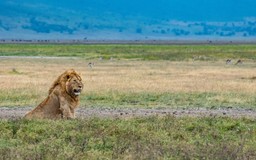
– Southern Serengeti & Ndutu (Dec–Mar): The calving grounds. Roughly half a million calves are born within a few short weeks, drawing intense predator activity from lions, cheetahs, and hyenas.
– Central & Western Serengeti (Apr–Jun): The herds mass and begin moving north and west, with the Grumeti River presenting the first major crossing challenge.
– Northern Serengeti (Jul–Oct): The stage for the legendary Mara River crossings on the Tanzanian side — often less crowded than the Kenyan bank.
SafariScapes Journey 1: Tanzania Expedition – 7 Nights
SafariScapes Journey 2: Tanzania Adventure – 10 Nights
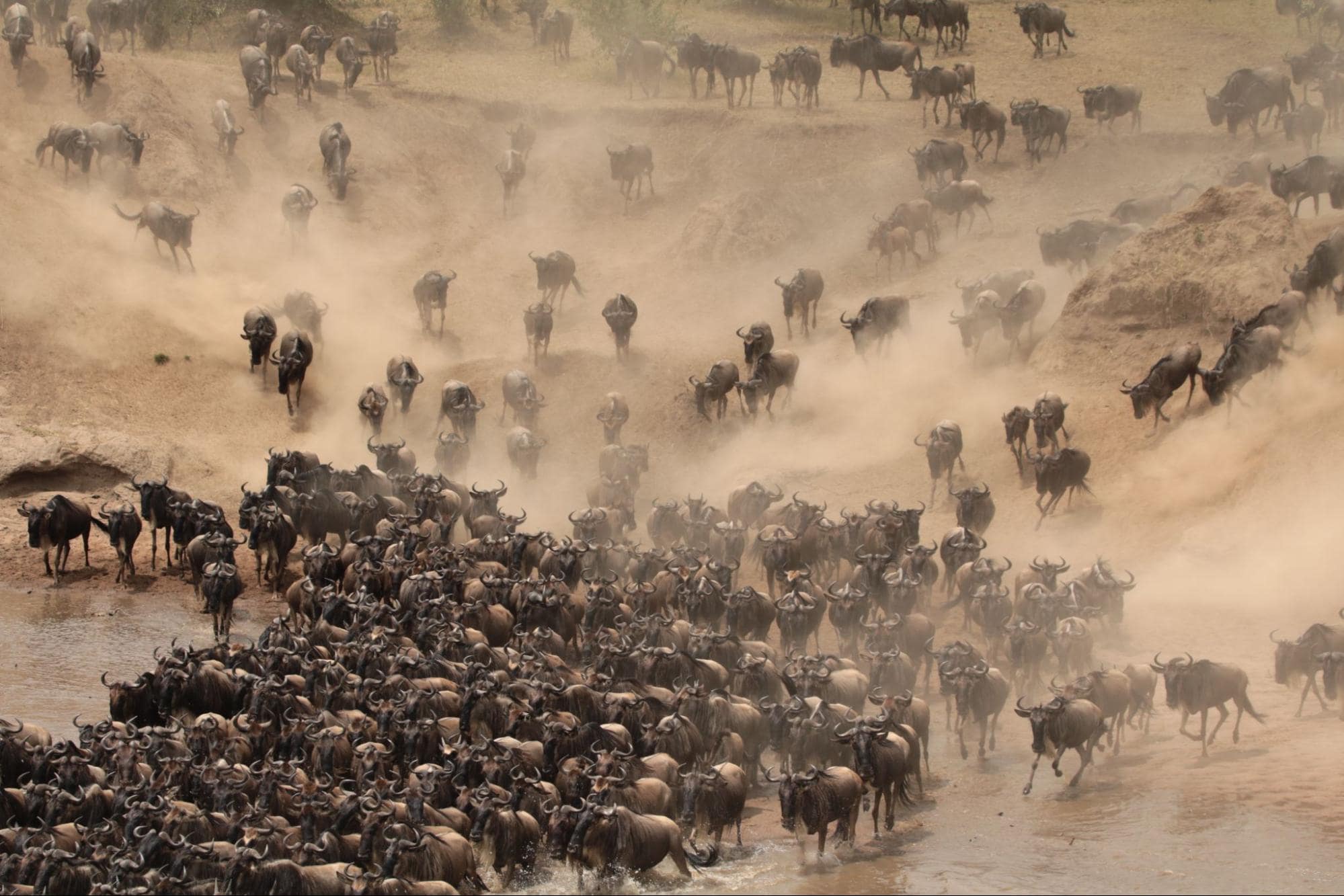
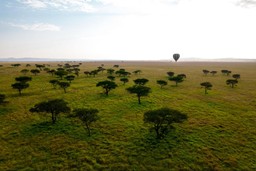
The Masai Mara delivers the migration’s most photographed moments during the dry season, when the herds surge across the Mara River into Kenya. From roughly July through October, the Mara offers some of the most reliable river-crossing viewing anywhere in Africa, set against classic golden-grass savannah.
In short: For the calving drama and quieter plains, choose the Serengeti. For the iconic river crossings in peak season, the Masai Mara — or the northern Serengeti — puts you in the front row. A truly great migration safari often combines both, and SafariScapes builds itineraries that follow the herds across the border seamlessly.
SafariScapes Journey: Best of East Africa
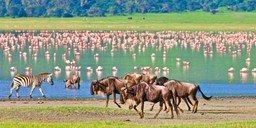
While not directly on the migration route, the Ngorongoro Crater Tanzania is a must-visit destination that complements any migration-focused itinerary. This ancient volcanic caldera shelters over 25,000 animals in a unique, self-contained ecosystem.
It’s an excellent stop for guaranteed wildlife viewing, including black rhino, large lion prides, and flamingos.
Ideal for: great for a unique add on to any safari, witness the vastness of the craters, unique animal interactions and hundreds of flamingos at the base of the crater.
SafariScapes Journey: The Best of the Serengeti
For a more exclusive experience of the great migration Africa, consider the remote western corridors of the Serengeti, particularly around the Grumeti River. Between May and July, herds thunder across woodlands and river valleys, and the luxury camps here offer a high-end escape with fewer crowds.
You may even witness predators like lions and hyenas hunting at dusk—a raw and unforgettable sight.
SafariScapes Journey: East African Safari
From July to September, herds make dramatic crossings of the Mara River on the Tanzanian side—less crowded than the Masai Mara, yet just as thrilling. This region combines dramatic landscapes with incredible photo opportunities.
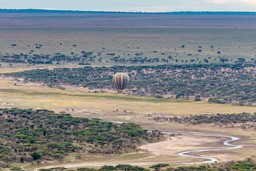
Stay at mobile camps that move with the migration or book fly-in safaris for quick access to the action.
Ideal for: Photographers, thrill-seekers, adventurers
SafariScapes Journey: Incredible East Africa Safari
Whether you’re dreaming of Kenya wildlife safari adventures or the untamed wilderness of Tanzania safari tours, timing is everything. The migration is a year-round event, but the action moves monthly—so aligning your travel with the right region is key.
At SafariScapes, we specialize in crafting tailor-made safari experiences that align with your interests and travel aspirations. Whether you’re drawn to the dramatic river crossings or the serene calving grounds, our expert team ensures every detail is meticulously planned for an unforgettable journey.
Embark on the adventure of a lifetime and witness the Great Migration in all its glory. Contact SafariScapes today to begin planning your bespoke safari.


Embark on an adventure of a lifetime with tailored itineraries that transform dreams into reality, perfect for any traveler.

Bush to Beach: The Ultimate 10-Day Tanzania Safari and Zanzibar Itinerary There is no...

Few destinations capture the essence of wild Africa quite like Botswana. Known for its...

Your definitive guide to Botswana’s seasons, so every game drive, mokoro glide, and sundowner...